How Cold Weather Affects Your Roof – Insights from Cornerstone Building & Restoration
When the temperatures drop, your roof becomes one of the most vulnerable parts of your home. From snow and ice accumulation to the constant cycle of freezing and thawing, cold weather can take a serious toll on roofing materials. Understanding these seasonal effects is essential for homeowners throughout Northern Virginia, Maryland, New Jersey, and Delaware—especially if you want to protect your investment and prevent costly repairs down the road.
At Cornerstone Building & Restoration, we’re licensed and trusted residential roofers with decades of experience helping homeowners prepare for and repair winter roof damage. Here’s what you need to know about how cold weather affects your roof—and what you can do to keep it strong all season long.
Freeze and Thaw Cycles Can Worsen Cracks and Leaks
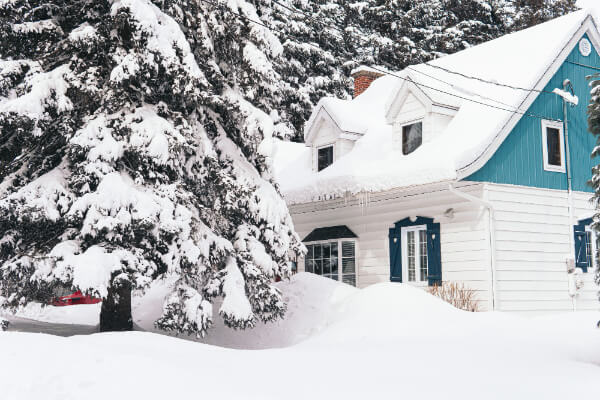
One of the biggest challenges roofs face in winter is the freeze-thaw cycle. When snow or ice melts during the day and refreezes at night, water can seep into tiny cracks or gaps in your roofing material. As that trapped water freezes, it expands—widening the cracks and allowing even more moisture to enter.
Over time, this can lead to:
- Leaks in your attic or ceilings
- Damaged shingles or flashing
- Structural weakening of roof decking or support beams
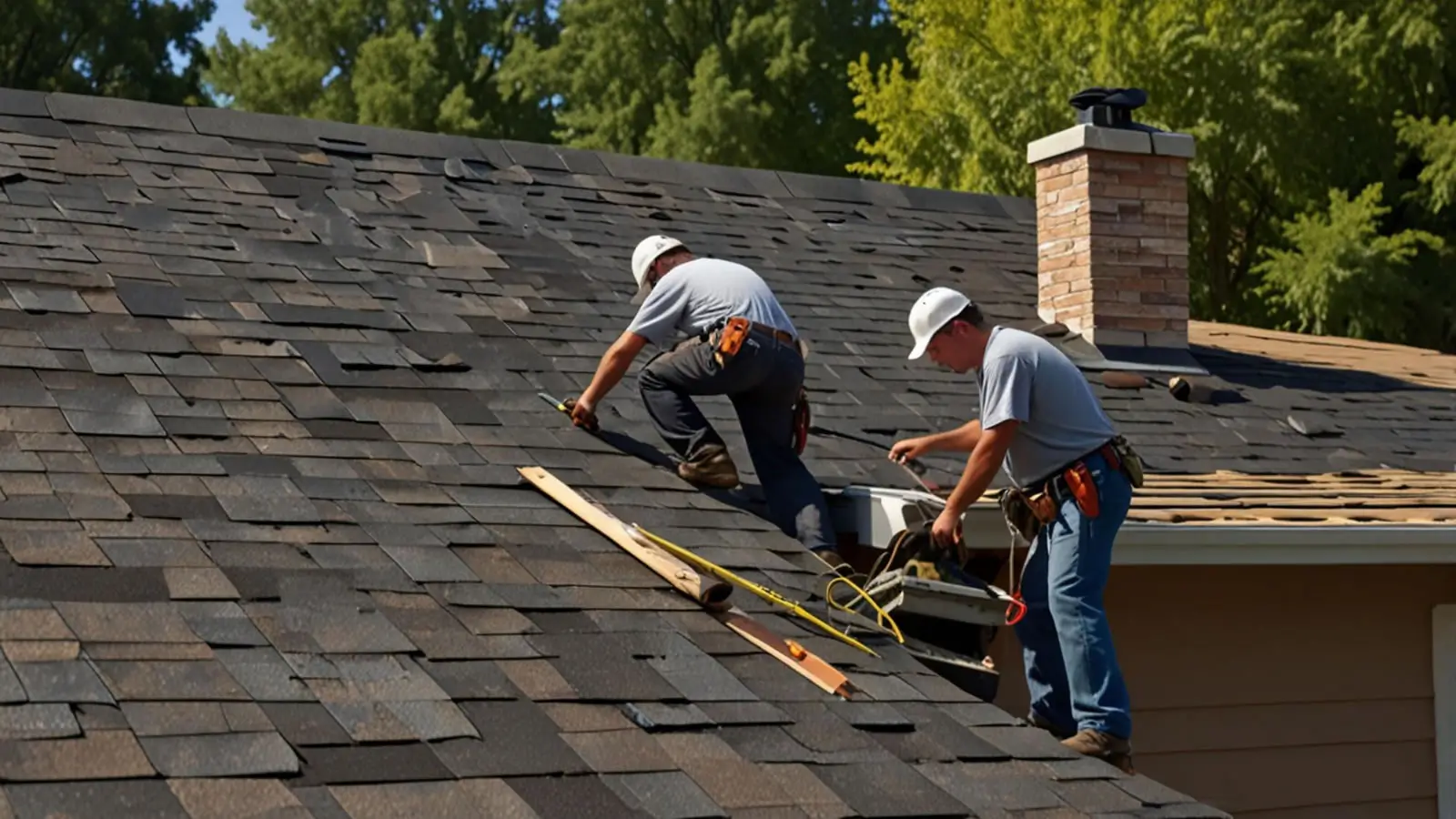
Regular roof inspections, especially before and after winter, help identify these small issues before they become major problems. Cornerstone Building & Restoration offers comprehensive winter roof inspections to ensure your home stays safe and dry.

Ice Dams Can Cause Major Roof Damage
If you’ve ever noticed thick ridges of ice forming along the edges of your roof, you’re looking at ice dams—one of the most destructive winter roofing problems. Ice dams occur when warm air from your attic melts the snow on your roof. As the melted water flows down to the colder edges, it refreezes, creating a barrier that traps additional melting snow behind it.
This trapped water can seep under shingles and into your home, causing:
- Water damage to ceilings, walls, and insulation
- Mold or mildew growth
- Warped wood or peeling paint
Proper attic insulation and ventilation are key to preventing ice dams. Cornerstone’s roofing experts can assess your attic’s airflow and recommend solutions to improve energy efficiency while protecting your roof from ice buildup.
Snow Load Adds Stress to Your Roof Structure
While a light layer of snow looks picturesque, too much accumulation can be dangerous. Heavy snow adds weight, putting immense stress on your roof structure. This can lead to:
- Sagging rooflines
- Cracked rafters or trusses
- In severe cases, roof collapse
The risk depends on your roof’s design, slope, and materials. For example, flat or low-pitch roofs are more vulnerable to snow buildup. Homeowners in Maryland and New Jersey, where snow can pile up quickly, should ensure their roofs are reinforced and designed to handle local weather conditions.
Cornerstone Building & Restoration specializes in roof inspections and structural assessments that identify potential weaknesses before winter hits.
Wind and Hail Can Damage Shingles
Winter storms often bring strong winds and hail, both of which can wreak havoc on asphalt shingles or other roofing materials. Wind can lift or loosen shingles, exposing the underlayment beneath. Meanwhile, hail can cause dents, cracks, or granule loss that reduce a roof’s ability to shed water effectively.
Even minor damage can lead to bigger issues if not repaired promptly. That’s why we recommend homeowners in Northern Virginia and Delaware schedule a roof inspection after any major winter storm.
Condensation Can Lead to Mold and Rot
Cold weather often means tightly sealed homes to keep warm air inside. But when warm, moist air from inside the home meets the cold surface of the roof deck, condensation can form. Over time, this trapped moisture can cause wood rot, mold growth, and damage to insulation.
Proper ventilation is key. A well-ventilated attic keeps temperatures balanced and reduces the risk of condensation and related damage. Cornerstone’s licensed roofing team can help evaluate and upgrade your ventilation system for long-term protection.
Shingles Become Brittle in Cold Temperatures
Asphalt shingles are flexible during warmer months, but in freezing weather, they can become brittle and prone to cracking. This makes them more susceptible to damage from falling branches, hail, or even routine maintenance. If you’re considering a new roof installation or replacement, it’s best to plan it before the coldest months arrive—or hire professionals experienced in cold-weather roofing installation like Cornerstone Building & Restoration.
How to Protect Your Roof This Winter
Here are some steps homeowners can take to minimize winter damage:
- Schedule a professional roof inspection before and after winter storms.
- Keep gutters clean and clear to prevent ice buildup.
- Ensure your attic is properly insulated and ventilated.
- Safely remove heavy snow buildup with a roof rake (or call professionals).
- Repair small leaks or cracks early before they worsen.
Cornerstone Building & Restoration offers roof inspections and emergency roof repair services across Northern Virginia, Maryland, New Jersey, and Delaware. Our licensed and insured roofing specialists provide honest inspections, quality craftsmanship, and durable solutions designed to withstand the harshest winter conditions.
Protect Your Home with Cornerstone Building & Restoration
Your roof is your home’s first line of defense against the elements—and winter weather can put that defense to the test. Don’t wait until you see water stains or sagging gutters to take action. Let Cornerstone Building & Restoration help you prepare, protect, and preserve your home with reliable roofing services built to last.
Contact us today to schedule your winter roof inspection or repair and keep your home safe all season long.